Choosing the best pool deck coatings is a crucial decision for any homeowner looking to enhance their outdoor living space. A high-quality pool deck coating not only elevates the aesthetic appeal of your backyard oasis but also provides essential safety, comfort, and durability. With so many options available, understanding the differences and benefits of each can feel overwhelming. You want a surface that can withstand harsh weather, constant foot traffic, pool chemicals, and intense UV exposure, all while remaining beautiful and slip-resistant.
At Ninja Coatings, we understand these challenges. This comprehensive Q&A post is designed to address some of the most common questions homeowners have when researching pool deck coatings. We'll dive into what makes a coating long-lasting, the ideal finishes for comfort and safety, effective waterproofing solutions, and the real pros and cons of popular materials like epoxy. Our goal is to equip you with the knowledge needed to make an informed decision for your pool area.
What is the longest lasting deck coating?
When it comes to the longest lasting deck coating for a pool area, advanced polyurea and polyaspartic systems consistently stand out as the top contenders. Unlike traditional paints or even some epoxies, these high-performance coatings are engineered for extreme durability and resilience. Their superior chemical resistance means they won't degrade from chlorine, salt, or other pool chemicals. They also boast exceptional UV stability, preventing the fading, chalking, and yellowing that can plague other materials when exposed to constant sunlight.
Furthermore, polyurea and polyaspartic coatings are incredibly flexible, allowing them to expand and contract with the concrete substrate during temperature fluctuations. This flexibility prevents cracking, chipping, and peeling, which are common failure points for less robust coatings. When professionally installed by experts like Ninja Coatings, with meticulous surface preparation and proper application techniques, these systems can provide decades of reliable service, often outperforming other options by a significant margin. Their robust nature means less maintenance and fewer costly repairs over the lifespan of your pool deck, making them an excellent long-term investment for homeowners seeking unparalleled durability.
What is the best finish for a pool deck?
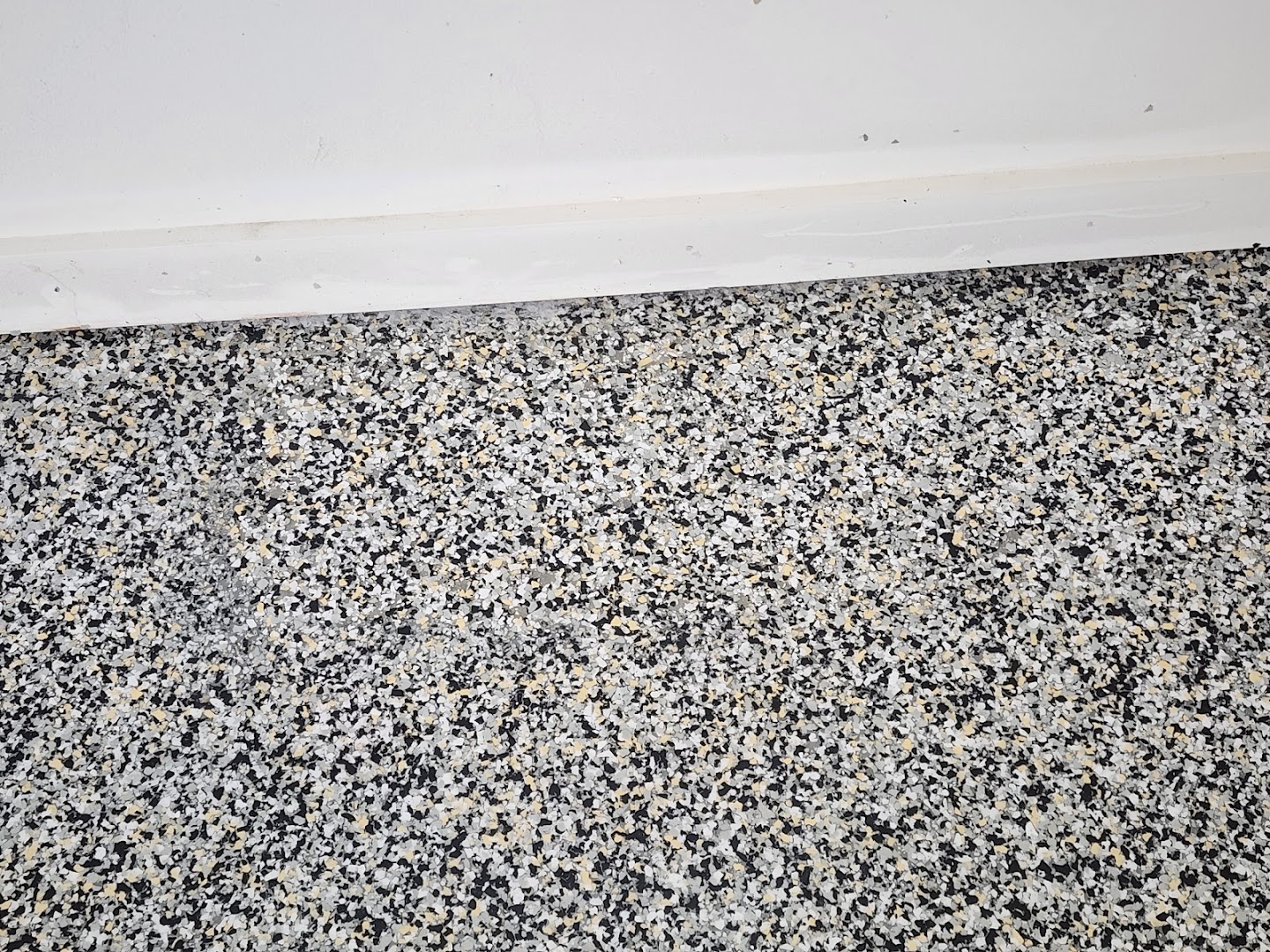
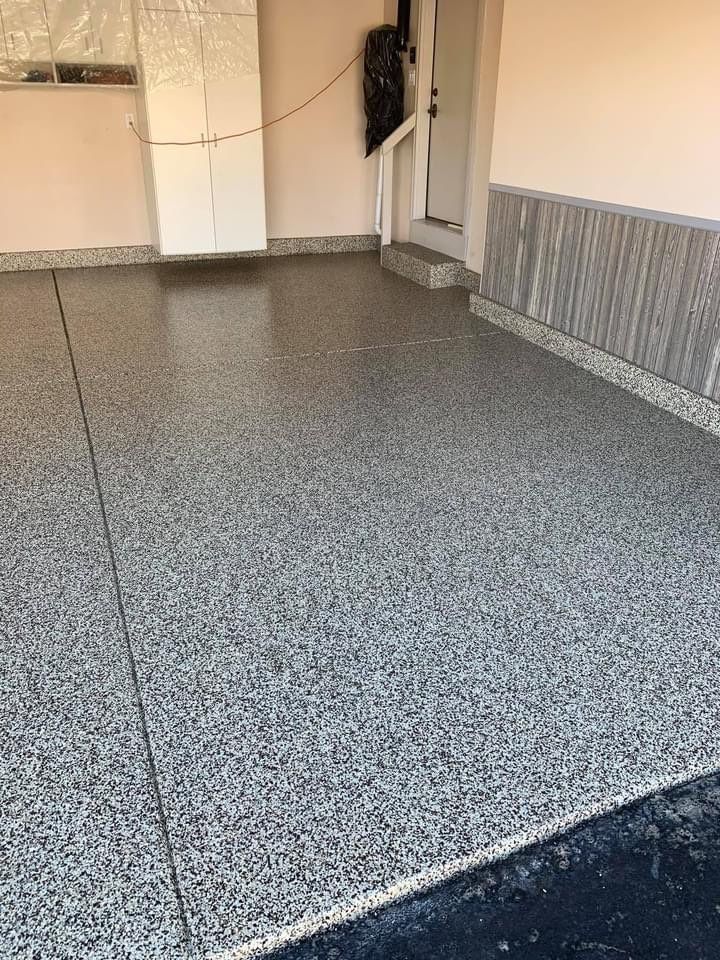
The "best" finish for a pool deck is a balance of safety, comfort, and aesthetics, all tailored to your specific needs and local climate. For safety, slip resistance is paramount. Pool decks are inherently wet, so a textured finish is crucial to prevent slips and falls. This can be achieved through broadcast flake systems, quartz aggregates, or specialized anti-slip additives integrated into the topcoat.
Comfort is another key factor. In sunny regions, a finish that stays cooler underfoot is highly desirable. Lighter colors naturally reflect more sunlight and absorb less heat than darker shades. Beyond color, some advanced coatings are formulated with "cool touch" technology to further reduce surface temperatures. For aesthetics, the possibilities are vast. You can choose from a wide array of solid colors, subtle textures, or decorative flake systems that mimic natural stone or granite, allowing you to perfectly complement your home's exterior and landscaping. The seamless application of modern polyurea and polyaspartic systems also means no grout lines to clean, contributing to a cleaner, more polished look. Ultimately, the best finish combines a safe, non-slip surface with a comfortable temperature and a visually appealing design that enhances your outdoor living space.
What is the best waterproof deck coating?
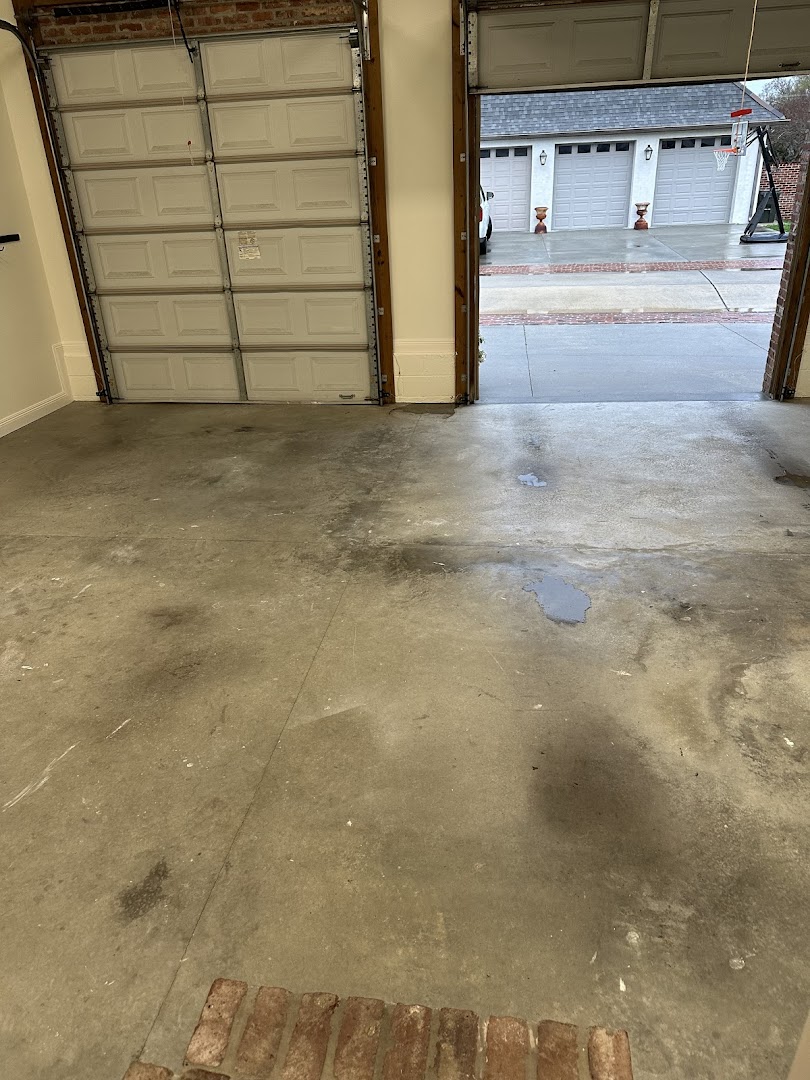
For pool decks, a truly waterproof coating is essential to protect the underlying concrete from moisture intrusion, which can lead to significant structural damage over time, including cracking, spalling, and deterioration due to freeze-thaw cycles. The best waterproof deck coatings are those that create a seamless, non-porous barrier over the entire surface, effectively sealing it off from the elements.
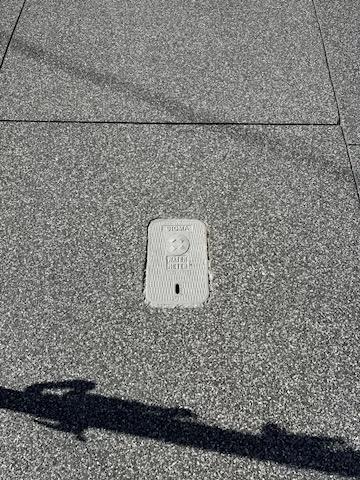
Advanced polyurea and polyaspartic systems excel in this regard. When professionally applied by experienced technicians, they form a monolithic, impenetrable layer that completely seals the concrete. Unlike porous materials or coatings with seams, these systems prevent water, pool chemicals, and other liquids from penetrating the surface and reaching the concrete below. This superior waterproofing capability not only extends the life of your concrete slab but also inhibits the growth of mold and mildew, making your pool deck healthier and easier to maintain. Furthermore, their inherent flexibility ensures that the waterproof barrier remains intact even with minor concrete movement. At Ninja Coatings, we prioritize these seamless, waterproof solutions to ensure maximum protection and longevity for your pool deck. Investing in a high-quality, professionally installed waterproof coating is a proactive measure that safeguards your pool deck against the elements and significantly contributes to its longevity and structural integrity.
What are the pros and cons of epoxy pool decks?
Epoxy coatings have been a popular choice for various flooring applications, and while they offer certain advantages, they also come with notable drawbacks when considered for outdoor pool decks.
Pros of Epoxy Pool Decks:
- Cost-Effective: Generally, epoxy can be a more budget-friendly option upfront compared to advanced polyurea or polyaspartic systems.
- Good Adhesion: When properly prepared, epoxy adheres well to concrete, providing a durable surface for many indoor applications.
- Chemical Resistance: Epoxy offers good resistance to many chemicals, which can be beneficial around pool areas.
Cons of Epoxy Pool Decks:
- UV Instability: This is the most significant drawback for outdoor use. Epoxy is prone to yellowing, chalking, and fading when exposed to direct sunlight over time. This degrades its appearance and can lead to surface breakdown.
- Rigidity: Epoxy is a rigid material. It has less flexibility than polyurea or polyaspartic coatings, making it more susceptible to cracking, chipping, and delamination if the concrete substrate moves or experiences significant temperature fluctuations.
- Heat Absorption: Darker epoxy colors can absorb and retain a lot of heat, making the pool deck uncomfortably hot to walk on in sunny climates.
- Slippery When Wet: Without specific anti-slip additives, epoxy surfaces can become very slippery when wet, posing a safety hazard around a pool.
- Shorter Lifespan Outdoors: Due to UV degradation and rigidity, epoxy typically has a shorter lifespan on outdoor pool decks compared to more advanced coating systems designed for exterior exposure.
While epoxy can work for certain applications, its limitations, particularly regarding UV stability and rigidity, often make it a less ideal choice for the demanding environment of an outdoor pool deck compared to superior alternatives.
Choosing the right coating for your pool deck is an investment in your home's beauty, safety, and longevity. We hope this Q&A has provided valuable insights into finding the best pool deck coatings for your needs. If you're ready to transform your pool area with a durable, beautiful, and safe coating system, our team at Ninja Coatings is here to help.
We offer expert advice and professional installation of high-performance polyurea and polyaspartic coatings designed specifically for the unique challenges of pool decks. Don't compromise on quality or peace of mind. Contact us today for a free quote and let us help you create the perfect outdoor oasis.