Your pool deck is more than just a surface; it's the foundation for countless memories, from summer BBQs to relaxing afternoons by the water. Over time, sun, water, and foot traffic can take their toll, leading to fading, cracking, and an overall worn appearance. When considering a refresh, one of the first questions that comes to mind is often about the pool deck coating cost.
Understanding the investment involved in refinishing or coating your pool deck is essential for planning your project effectively. This comprehensive Q&A post will delve into the various factors that influence the price, explore the feasibility of DIY options, compare different materials, and provide insights to help you make an informed decision for your outdoor oasis.
How much does it cost to refinish a pool deck?
The cost to refinish a pool deck can vary significantly based on several key factors, making it challenging to provide a single, universal price. Instead, it's more helpful to understand the elements that contribute to the overall investment.
Here are the primary considerations:
- Project Size: Naturally, larger pool decks will require more material and labor, directly impacting the total cost.
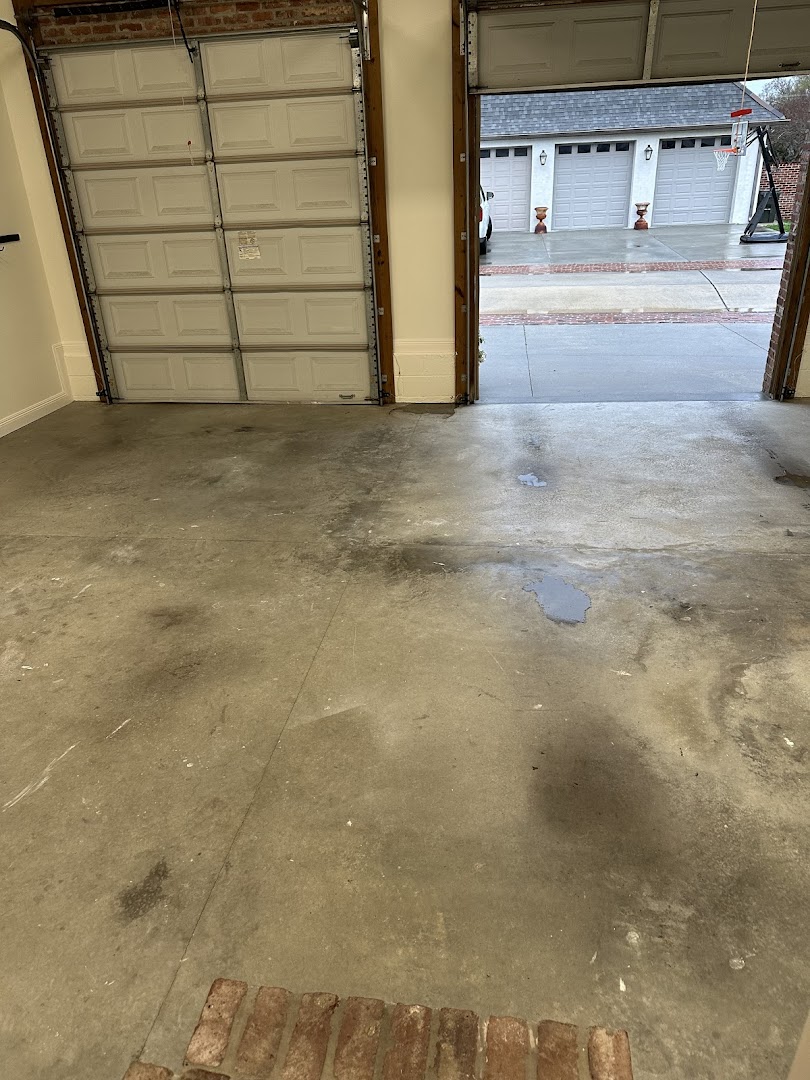
- Current Condition of the Deck: A deck with extensive cracks, spalling, or uneven surfaces will require more intensive preparation work, such as grinding, patching, or crack repair, before a new coating can be applied. This additional prep work adds to the labor and material costs.
- Type of Coating Material: There's a wide range of coating options available, from basic acrylic paints to advanced polyurea and polyaspartic systems. Each material has different properties, durability, and price points. High-performance coatings, while a larger initial investment, often offer superior longevity, UV resistance, and aesthetic appeal.
- Design Complexity & Customization: If you're looking for intricate patterns, multiple colors, custom textures, or decorative elements, these specialized finishes will increase the cost due to the additional skill and time required for application.
- Labor and Installation Expertise: Professional installation ensures proper surface preparation, correct application techniques, and a durable, long-lasting finish. The expertise of the installers, like the trained professionals at Ninja Coatings, contributes to the overall value and longevity of your investment, preventing costly re-dos down the line.
Given these variables, the best way to get an accurate estimate for your specific pool deck project is to obtain a personalized quote from a reputable professional. This allows for a thorough assessment of your deck's condition and your desired outcome.
Do it yourself pool deck coating?
The idea of tackling a pool deck coating project yourself can be appealing, primarily due to the perceived cost savings on labor. While some basic deck painting or staining might be within the realm of an experienced DIYer, applying a high-performance pool deck coating is a far more complex undertaking that often requires professional expertise.
Here's what to consider:
- Surface Preparation is Key: The success and longevity of any coating hinge entirely on meticulous surface preparation. This involves thorough cleaning, degreasing, repairing cracks, grinding uneven areas, and potentially acid etching or diamond grinding to ensure proper adhesion. Skipping or improperly executing these steps can lead to premature peeling, bubbling, and coating failure.
- Specialized Materials and Equipment: Professional-grade pool deck coatings, such as polyurea or polyaspartic systems, require specific mixing ratios, application techniques, and specialized equipment (e.g., industrial grinders, moisture meters, specific rollers, and sprayers) that are not typically found in a homeowner's garage.
- Technical Knowledge and Skill: These coatings often have strict pot lives (the time you have to work with the mixed material before it hardens) and specific environmental requirements (temperature, humidity). Achieving an even, durable, and aesthetically pleasing finish demands a high level of skill, experience, and attention to detail.
- Potential for Costly Mistakes: A botched DIY job can be more expensive to fix than hiring a professional in the first place. Incorrect application can lead to wasted materials, the need for costly removal, and ultimately, having to hire professionals to correct the errors.
- Warranty and Longevity: Professional installations typically come with warranties that protect your investment. DIY projects, on the other hand, offer no such guarantees.
While the initial thought of saving money is tempting, the complexities, risks, and potential for a less-than-satisfactory result often make professional installation the more cost-effective and reliable choice for a durable and beautiful pool deck coating.
How much does it cost to paint a 20x20 deck?
When considering a 20x20 deck, which equates to 400 square feet, the cost to paint it can vary widely. However, it's crucial to differentiate between merely 'painting' a pool deck and applying a specialized 'coating.' While paint might offer a temporary aesthetic improvement, it typically lacks the durability, slip resistance, and chemical resistance required for a high-traffic, wet environment like a pool deck.
If you're looking at basic exterior paint, the material cost for a 400 sq ft area might seem low. However, this approach often leads to frequent repainting, chipping, and fading, especially under the harsh sun and constant exposure to pool chemicals and water. The true cost then becomes the recurring expense of materials, your time, and the effort of redoing the job every few years.
For a pool deck, a dedicated coating system is almost always the superior choice. These systems are engineered to withstand:
- UV Radiation: Preventing fading and degradation from constant sun exposure.
- Chlorine & Chemicals: Resisting damage from pool water and cleaning agents.
- Foot Traffic: Offering exceptional abrasion resistance.
- Slippage: Many coatings can incorporate aggregates for enhanced slip resistance, a critical safety feature around a pool.
For a 400 sq ft area, the cost of a high-performance coating will be influenced by the same factors mentioned previously: the specific type of coating chosen (e.g., acrylic, polyurea, polyaspartic), the amount of surface preparation required, and whether you opt for professional installation. While the initial investment for a specialized coating will be higher than for basic paint, its longevity, performance, and reduced maintenance needs often make it the more economical and satisfying solution in the long run. To get a precise cost for your 20x20 pool deck with a durable coating, a professional assessment and quote are highly recommended.
What are the pros and cons of epoxy pool decks?
Epoxy coatings are renowned for their strength and versatility in various applications, and while they can be used for pool decks, it's important to understand their specific pros and cons in this demanding outdoor environment.
Pros of Epoxy Coatings:
- Durability: Epoxy creates a very hard and resilient surface that can withstand heavy foot traffic and abrasion.
- Chemical Resistance: It offers excellent resistance to many chemicals, including pool cleaning agents, which is a significant advantage.
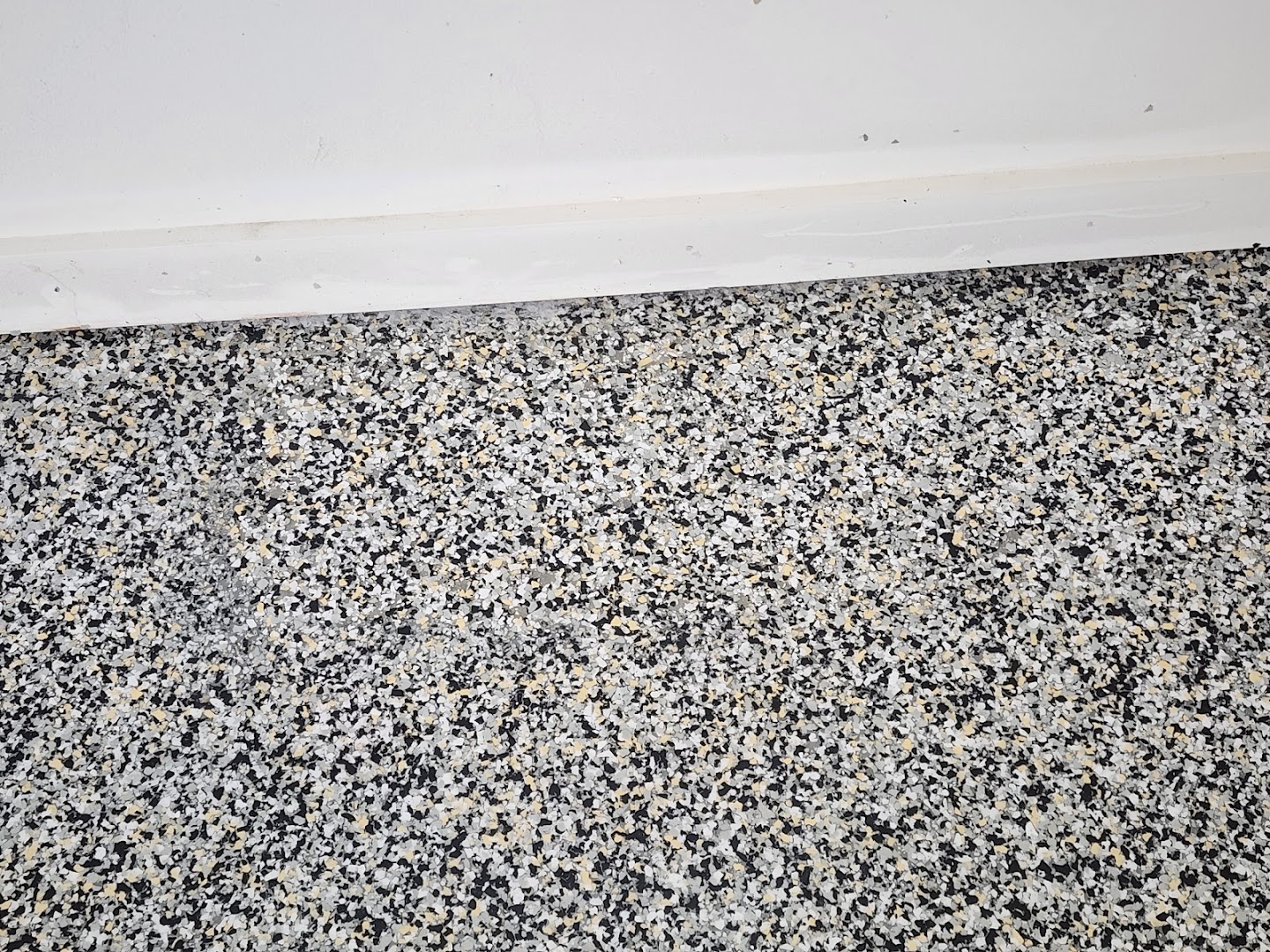
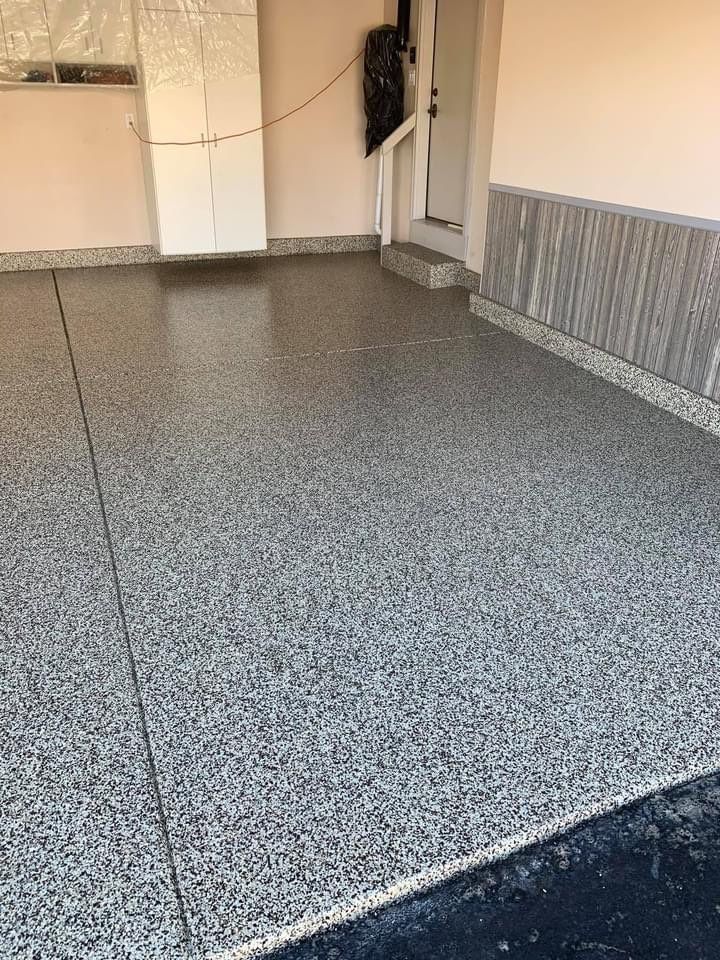
- Aesthetic Versatility: Epoxy can be tinted in a wide range of colors and combined with decorative flakes or quartz aggregates to create unique, attractive finishes.
- Easy to Clean: The seamless, non-porous surface of epoxy makes it easy to wipe clean and maintain.
- Slip Resistance: With the addition of anti-slip additives, epoxy can be made safe for wet areas around a pool.
Cons of Epoxy Coatings for Pool Decks:
- UV Stability: This is arguably the biggest drawback for outdoor pool decks. Traditional epoxy can yellow, chalk, or degrade when exposed to prolonged direct sunlight. While some UV-stable epoxy formulations exist, they are generally more expensive.
- Heat Retention: Darker epoxy colors can absorb and retain a significant amount of heat, making the deck surface uncomfortably hot to walk on barefoot in direct sun.
- Application Complexity: Epoxy requires precise mixing and application techniques, along with specific environmental conditions (temperature, humidity) for proper curing. DIY application can be challenging and lead to failures.
- Slippery When Wet (without additives): A smooth epoxy surface can be very slippery when wet, necessitating the incorporation of anti-slip additives for safety around a pool.
- Rigidity: Epoxy is a rigid coating. While durable, it may not flex well with significant substrate movement, potentially leading to cracking if the underlying concrete shifts.
Given the specific challenges of a pool deck environment – intense UV exposure, fluctuating temperatures, and the need for comfort and safety – advanced coating systems like polyurea or polyaspartic often provide superior long-term performance and UV stability compared to traditional epoxy. These newer technologies are specifically formulated to excel in outdoor, high-exposure settings, offering excellent durability without the common drawbacks of epoxy in direct sunlight. Ninja Coatings specializes in these high-performance, long-lasting solutions tailored for pool decks.
Ready to transform your pool deck into a beautiful, durable, and safe oasis? Understanding the factors influencing pool deck coating cost is the first step. For a personalized assessment and a transparent quote tailored to your specific needs and the unique characteristics of your pool deck, we invite you to connect with our experts.
Experience the difference of a professional, high-quality coating that enhances your outdoor living space for years to come. Get your free quote today and take the plunge into a revitalized pool deck!