When it comes to protecting and enhancing your driveway, you've likely encountered two common terms: driveway coating and driveway sealer. While often used interchangeably, there are significant differences between the two, impacting everything from durability and appearance to cost and application. Understanding these distinctions is crucial for making the right investment in your home's curb appeal and long-term structural integrity.
Many homeowners find themselves asking, "What's the real difference between a driveway coating vs. sealer?" This comprehensive Q&A post aims to demystify the options, providing clear, expert insights into what each product offers. We'll tackle some of the most frequently asked questions to help you make an informed decision about the best way to protect your concrete or asphalt driveway, ensuring it stands up to the elements and daily wear for years to come.
Are driveway coatings worth it?
Absolutely. Driveway coatings, especially high-performance options like those offered by Ninja Coatings, represent a superior investment compared to traditional sealers for several compelling reasons. While sealers offer a basic layer of protection, coatings provide a much more robust and long-lasting solution.
Here's why they are worth it:
- Enhanced Durability: Coatings form a thicker, more resilient layer that stands up better to heavy traffic, oil spills, chemical exposure, and harsh weather conditions. They are engineered to resist cracking, chipping, and fading, which are common issues with less durable sealers.
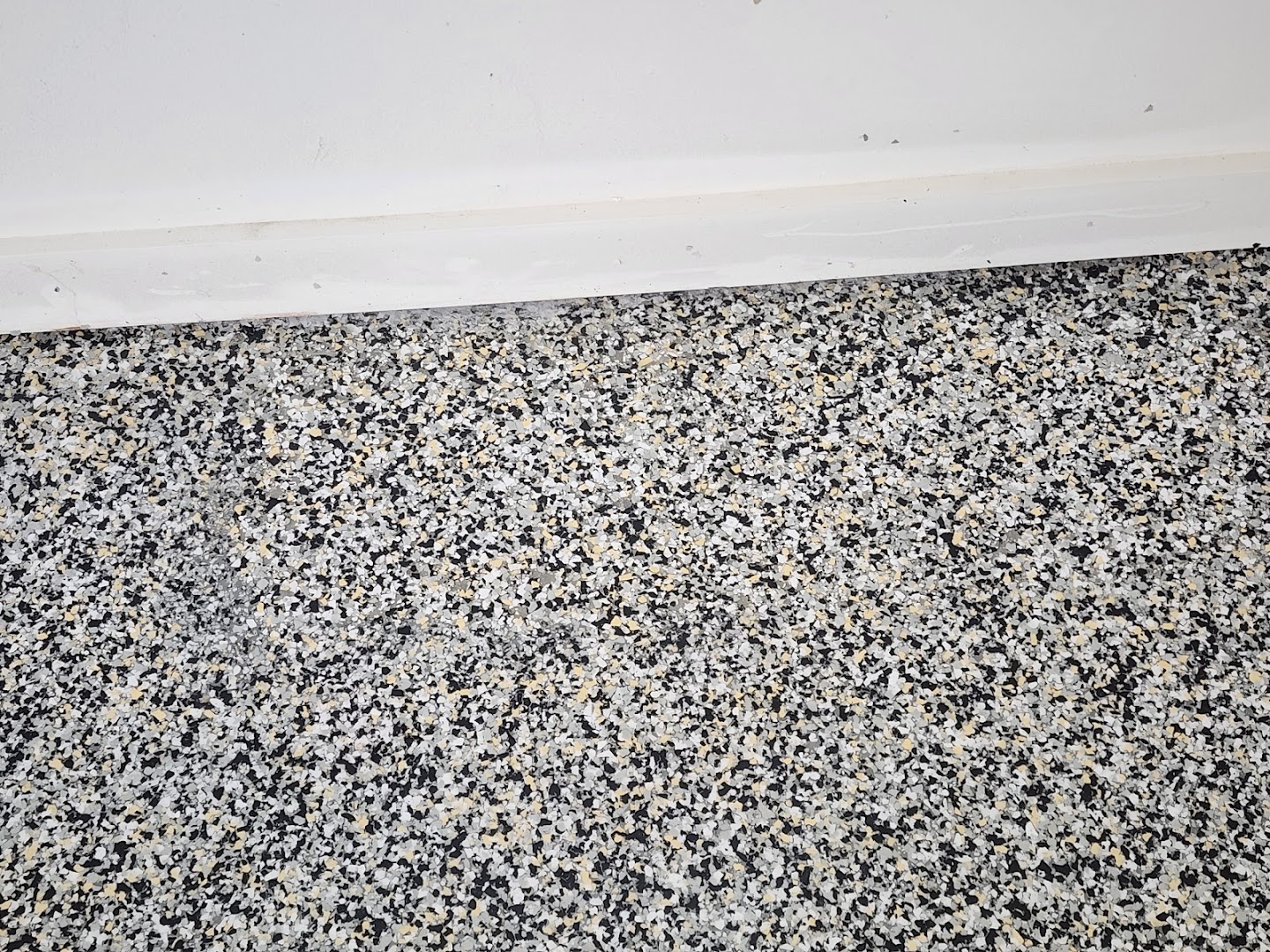
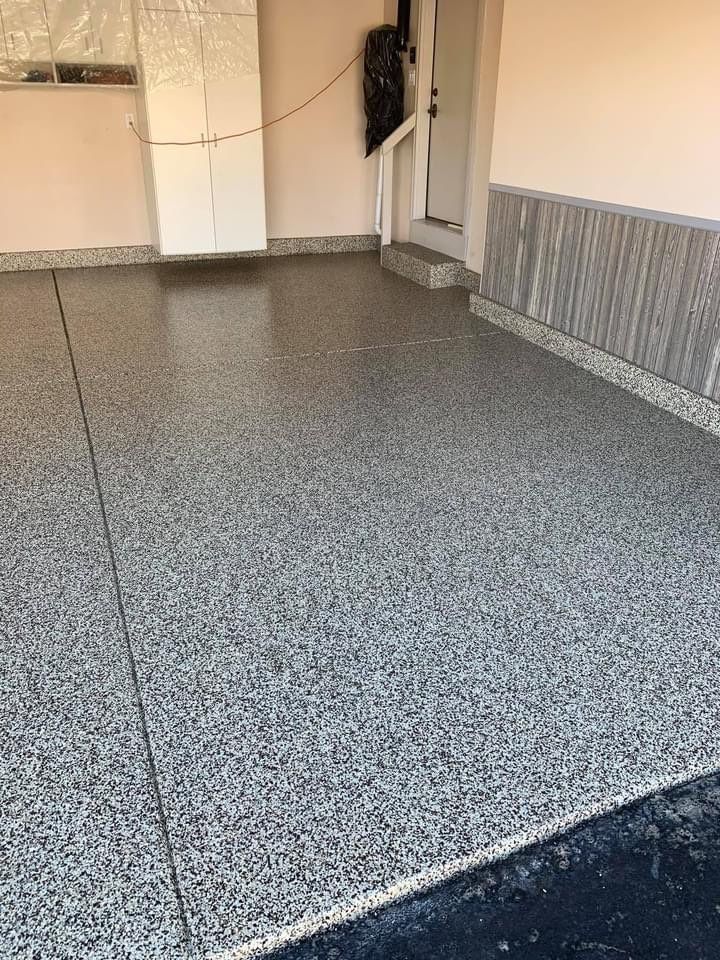
- Superior Aesthetics: Beyond protection, coatings can dramatically improve your driveway's appearance. They offer a uniform, often customizable finish that can mimic natural stone or provide a sleek, modern look, significantly boosting your home's curb appeal.
- Long-Term Protection: Coatings create a strong barrier against moisture penetration, freeze-thaw cycles, UV degradation, and staining. This prevents the underlying material from deteriorating, extending the lifespan of your driveway and reducing the need for frequent repairs or replacements.
- Reduced Maintenance: A properly applied coating makes your driveway easier to clean and maintain. Its non-porous surface repels dirt and grime, meaning less scrubbing and more time enjoying your beautiful outdoor space.
- Increased Property Value: A well-maintained and aesthetically pleasing driveway is a significant asset that can enhance your property's overall value and appeal to potential buyers.
While the initial cost of a high-quality coating might be more than a basic sealer, its extended lifespan, superior protection, and aesthetic benefits often result in a lower cost of ownership over time, making it a truly worthwhile investment.
Is October too late to seal a driveway?
Whether October is too late to seal a driveway largely depends on your specific climate and the type of sealer or coating being used. The critical factor for any driveway application, whether it's a sealer or a coating, is the weather conditions during and immediately after the application.
Most driveway products require specific temperature ranges and dry conditions to cure properly. Generally, the ideal temperature for applying sealers and coatings is between 50°F and 90°F (10°C and 32°C), with no rain expected for at least 24-48 hours, and often longer for full curing. The ground temperature is also crucial, as cold ground can inhibit proper adhesion and curing.
- Temperature: In many regions, October brings cooler temperatures, especially at night. If daytime temperatures consistently fall below the manufacturer's recommended minimum (often 50°F), the product may not cure correctly. This can lead to poor adhesion, a weakened protective layer, and a significantly reduced lifespan.
- Moisture: October can also be a wetter month in many areas, with increased chances of rain, dew, or even frost. Any moisture during the application or curing process can compromise the product's integrity, leading to bubbling, peeling, or an uneven finish.
- Curing Time: Even if you get a few warm days, the longer curing times required in cooler weather mean you need an extended period of stable, favorable conditions, which can be harder to predict in late fall.
While a mild October in some southern states might still offer a window of opportunity, for many northern or even mid-latitude regions, it's often too late to ensure optimal results. Applying a product in less-than-ideal conditions is a waste of time and money, as it won't perform as intended. It's always best to consult with a professional and check the specific product's guidelines for temperature and moisture requirements.
How much does it cost to seal a 2000 square foot driveway?
Providing an exact cost for sealing a 2000 square foot driveway is challenging without a detailed assessment, as pricing varies significantly based on several factors. It's important to remember that "sealing" can refer to a range of products, from basic asphalt sealers to advanced concrete coatings, each with different price points and benefits.
Key factors influencing the cost include:
- Type of Material: The cost will differ depending on whether you have an asphalt or concrete driveway, and which type of sealer or coating you choose. Basic asphalt sealcoats are generally less expensive than high-performance concrete coatings.
- Product Quality: Premium sealers and advanced coatings, designed for superior durability and longevity, will naturally cost more than entry-level options.
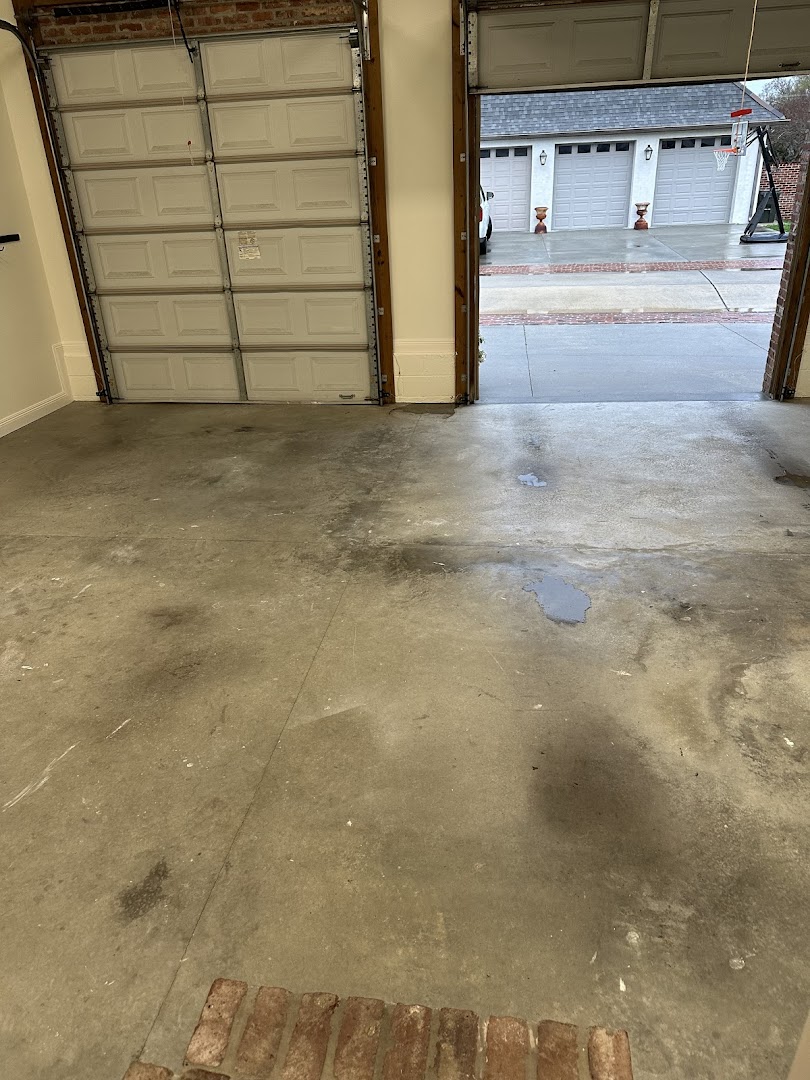
- Driveway Condition: Extensive preparation work, such as cleaning, crack repair, pothole patching, or addressing existing damage, will add to the overall cost. A driveway in poor condition requires more labor and materials for proper preparation.
- Labor Costs: Professional application includes labor, which varies by region and the complexity of the job. DIY options might save on labor but often lack the expertise and specialized equipment of professionals.
- Geographic Location: Pricing for materials and labor can fluctuate based on local market rates.
- Additional Features: Some coatings may include anti-slip additives, custom colors, or decorative elements, which can impact the final price.
Given these variables, it's impossible to give a precise number. However, for a 2000 square foot driveway, you can expect a range that reflects the spectrum from basic asphalt sealcoating to advanced, durable concrete coating systems. To get an accurate estimate tailored to your specific driveway and desired outcome, we highly recommend obtaining a personalized, free quote from a reputable professional. They can assess your driveway's condition, discuss material options, and provide a transparent breakdown of costs.
How long does driveway coating last?
The lifespan of a driveway coating varies significantly depending on the type of product used, the quality of the application, the environmental conditions, and the level of traffic it endures. It’s crucial to distinguish between a basic driveway sealer and a high-performance coating, as their longevity differs dramatically.
- Traditional Driveway Sealers: These are typically asphalt-based or acrylic-based products designed for basic protection. They generally last anywhere from 1 to 3 years. Factors like heavy traffic, intense UV exposure, and frequent freeze-thaw cycles can shorten this lifespan, requiring reapplication every few years to maintain effectiveness.
- High-Performance Driveway Coatings: These are engineered for superior durability and longevity. Products like epoxy, polyurea, or polyaspartic coatings, often used by specialists like Ninja Coatings, can last significantly longer. With proper application and maintenance, these advanced coatings can maintain their integrity and appearance for 10 to 20 years, or even more. They offer a much more robust barrier against abrasions, chemicals, UV rays, and extreme weather.
Factors that influence the lifespan of any driveway coating include:
- Preparation: Proper surface preparation is paramount. A clean, dry, and structurally sound surface ensures optimal adhesion and maximum longevity.
- Product Quality: Higher quality materials with advanced formulations will naturally last longer and perform better.
- Application Expertise: Professional application ensures the product is applied correctly, at the right thickness, and under ideal conditions, which is critical for its long-term performance.
- Environmental Exposure: Driveways exposed to harsh sunlight, extreme temperatures, heavy rainfall, or snow and ice will experience more wear and tear.
- Traffic Volume: Driveways with heavy vehicle traffic or frequent turning will show wear faster than those with light use.
- Maintenance: Regular cleaning and prompt attention to minor issues can help extend the life of your coating.
Investing in a high-quality coating from a trusted provider like Ninja Coatings, combined with professional application, offers a durable solution that provides long-term protection and aesthetic appeal, minimizing the need for frequent reapplications.
Understanding the differences between driveway coating vs. sealer is the first step toward making an informed decision for your home. Whether you're seeking basic protection or a long-lasting, aesthetically superior solution, the right choice can significantly impact your driveway's lifespan and curb appeal.
Ready to explore the best options for your driveway? Contact us today for a free quote and let our experts help you choose the perfect coating solution that meets your needs and exceeds your expectations.