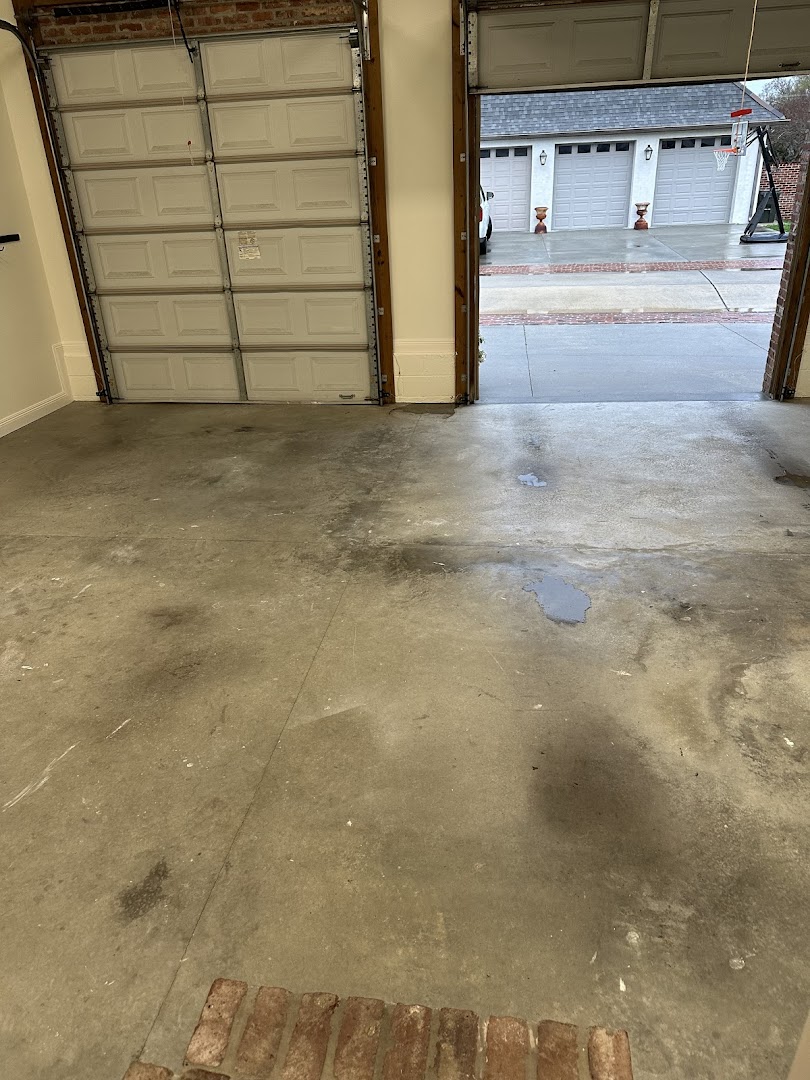
Your basement holds incredible potential, whether it's destined to be a cozy family room, a vibrant home gym, a dedicated workshop, or simply a clean, dry storage space. However, the bare concrete floor often presents challenges: it can be cold, prone to moisture issues, dusty, and generally uninviting. This is where a high-quality basement floor coating comes in, transforming a utilitarian space into an integral part of your home.
Choosing the right coating involves understanding your options, considering costs, and evaluating long-term benefits. To help you navigate this important decision, we've compiled answers to some of the most frequently asked questions about basement floor coatings. Let's dive into what you need to know to make your basement dreams a reality.
What is the best coating for basement floors?
When it comes to the “best” coating for basement floors, the answer often depends on your specific needs, budget, and the condition of your existing concrete. However, for superior performance, durability, and aesthetic appeal, advanced polymer systems like polyurea and polyaspartic coatings, often incorporating epoxy as a primer, stand out as top contenders.
Here’s why these systems are highly recommended:
- Durability: Unlike standard concrete paint or DIY epoxy kits, professional-grade polyurea and polyaspartic coatings are engineered to withstand heavy foot traffic, impacts, abrasions, and chemical spills. This makes them ideal for any basement use, from playrooms to utility areas.
- Moisture Resistance: Basements are inherently susceptible to moisture. High-quality coatings create a seamless, non-porous barrier that helps protect your concrete from moisture penetration, preventing issues like mold, mildew, and efflorescence. It's crucial, however, to address any significant underlying moisture problems before application.
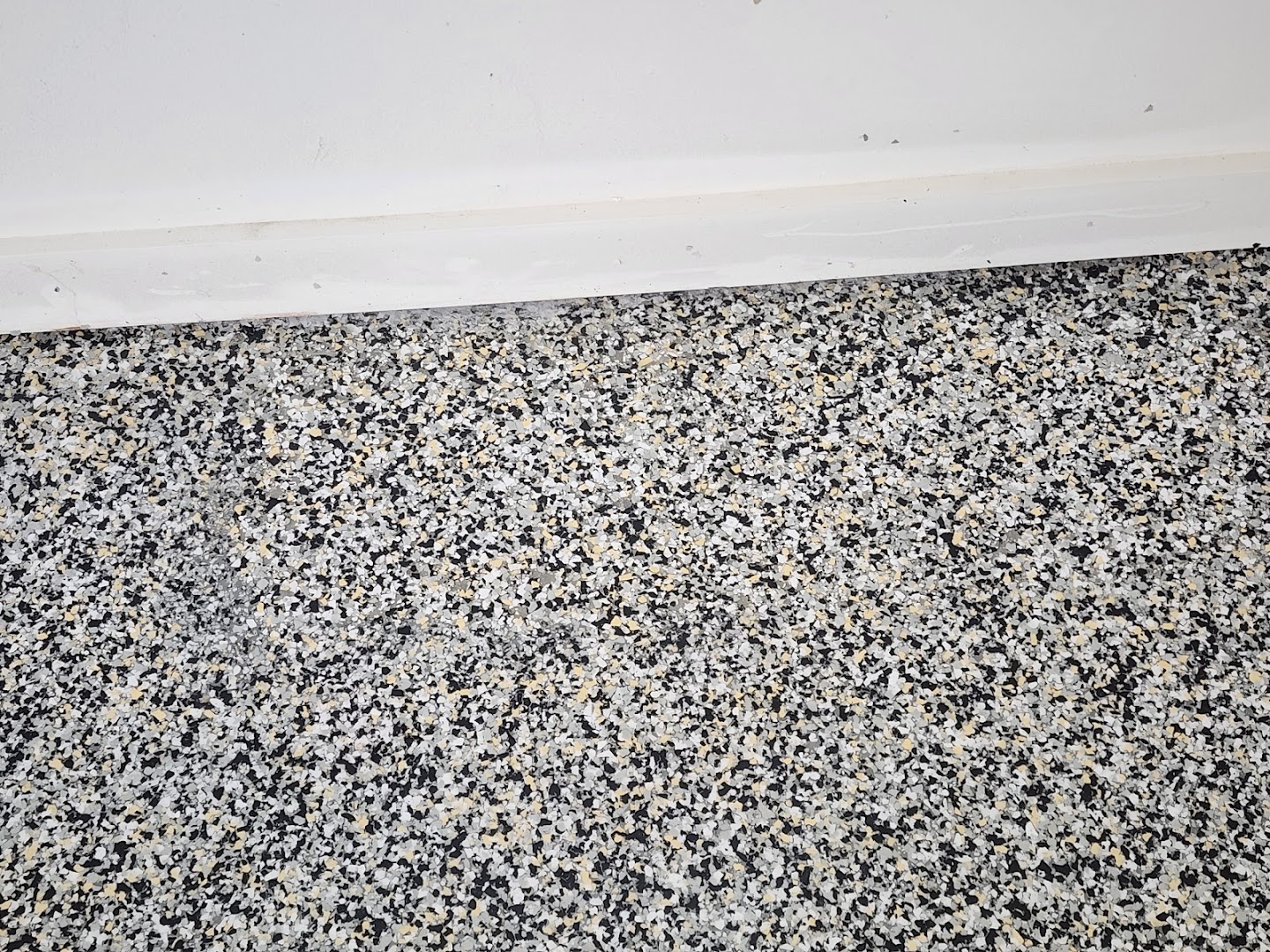
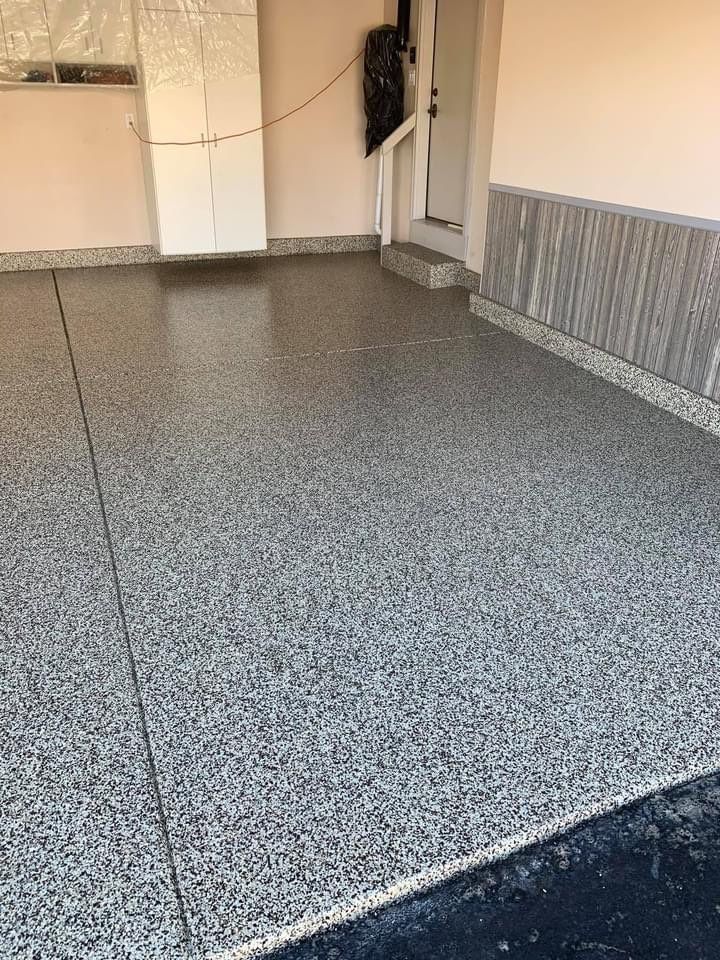
- Aesthetics: These systems offer a vast array of design options, including solid colors, decorative flake systems, and even metallic finishes. This allows you to customize your basement floor to match your home's style and transform a dull concrete slab into a beautiful, inviting surface.
- Ease of Maintenance: The non-porous surface is incredibly easy to clean. Spills wipe up effortlessly, and dust and dirt don't cling as they do to bare concrete, making your basement a healthier and more pleasant environment.
- Longevity: While initially a greater investment than simpler solutions, the extended lifespan and performance of professional coatings often make them the most cost-effective choice in the long run.
For a truly robust and long-lasting solution, Ninja Coatings specializes in these advanced polyurea and polyaspartic systems, ensuring a high-quality finish tailored to your basement's unique needs.
How much does it cost to epoxy a 1000 square foot floor?
It's understandable to want a clear price for a 1000 square foot epoxy floor, but the truth is, the cost can vary significantly based on several factors. Providing an exact number without a proper assessment would be misleading. Here’s a breakdown of what influences the overall investment:
- Type of Coating System: While you mentioned “epoxy,” many professional systems today utilize a multi-layer approach that might include epoxy as a primer, but often features more advanced topcoats like polyurea or polyaspartic for superior durability and UV resistance. These advanced systems typically have a higher material cost but offer enhanced performance and longevity.
- Condition of the Existing Concrete: The amount of preparation required is a major cost driver. If your concrete has cracks, pitting, spalling, or existing coatings that need removal, extensive grinding, patching, and repair will be necessary. A badly damaged floor will naturally cost more to prepare than a pristine one.
- Desired Finish: A simple solid color will generally be less expensive than a decorative flake system, a metallic finish, or a custom design. The complexity and amount of decorative materials used will impact the price.
- Installation Complexity: Factors like accessibility, the number of obstacles (e.g., support columns, built-in shelving), and the overall layout of the basement can affect labor time and, consequently, cost.
- Regional Labor Costs: Pricing for professional installation services can fluctuate depending on your specific area.
Given these variables, it's best to get a personalized quote. Most reputable companies, including Ninja Coatings, offer free, no-obligation consultations where an expert can assess your specific basement, discuss your vision, and provide an accurate estimate tailored to your project. This ensures transparency and helps you understand the value you're receiving for your investment.
What is the cheapest way to finish a concrete basement floor?
If your primary concern is the absolute lowest upfront cost to finish a concrete basement floor, there are a few options, but it's important to understand the trade-offs in terms of durability, longevity, and appearance. Often, the cheapest upfront solution ends up being more expensive in the long run due to frequent repairs or replacement.
Here are some of the most budget-friendly approaches:
- Concrete Sealer: A basic clear concrete sealer is one of the least expensive options. It offers some protection against moisture and stains, makes the floor a bit easier to clean, and can enhance the natural look of the concrete. However, it doesn't offer much in terms of aesthetic transformation or heavy-duty protection against impacts or abrasions.
- Concrete Paint: Standard concrete paint is another low-cost choice. It allows you to add color to your basement floor, making it look cleaner and brighter. The downside is that concrete paint is notoriously less durable than epoxy or other polymer coatings. It's prone to chipping, peeling, and fading, especially in high-traffic areas or where moisture is present, requiring frequent reapplication.
- DIY Epoxy Kits: While significantly cheaper than professional installation, DIY epoxy kits often come with challenges. They typically use a thinner, less durable epoxy formula than commercial-grade products. Proper surface preparation is critical for adhesion, and without professional equipment and expertise, DIY applications can result in uneven finishes, bubbles, or premature failure.
While these options might save you money initially, they often lack the robust protection, aesthetic versatility, and long-term value that professional-grade basement floor coatings provide. When considering the cheapest route, always weigh the initial savings against the potential for future maintenance, repairs, and the overall lifespan of the finish.
Is it worth it to epoxy a basement floor?
Absolutely, investing in a high-quality basement floor coating, which often includes epoxy as part of a multi-layer system, is widely considered a worthwhile investment for many homeowners. The benefits extend far beyond just aesthetics, impacting the functionality, value, and overall enjoyment of your home.
Here’s why it’s worth it:
- Enhanced Durability and Longevity: Professional-grade coatings are incredibly tough, resisting abrasions, impacts, chemicals, and stains. This means your basement floor will stand up to whatever life throws at it, whether it's a busy play area, a workshop, or a storage zone, maintaining its integrity and appearance for years to come.
- Moisture Protection: Basements are prone to moisture issues. A seamless, non-porous coating acts as a vital barrier, helping to prevent moisture from penetrating the concrete, which in turn reduces the risk of mold, mildew, and musty odors. This creates a healthier and more comfortable environment.
- Easy Maintenance: Unlike bare concrete that absorbs spills and traps dust, a coated floor is incredibly easy to clean. Spills wipe up effortlessly, and dirt and debris can be swept or mopped away with minimal effort, saving you time and hassle.
- Improved Aesthetics and Comfort: Transform a drab, cold concrete slab into a vibrant, inviting space. With a wide range of colors and decorative options, you can customize your basement to match your home's style. The coating also adds a layer of insulation, making the floor feel warmer underfoot than bare concrete.
- Increased Home Value: A professionally finished basement floor can significantly increase your home's appeal and market value. It turns an unfinished or underutilized space into a functional, attractive extension of your living area, a major selling point for potential buyers.
- Health and Safety: A smooth, sealed surface reduces concrete dust, which can be an allergen. Many coatings also offer slip-resistant additives for added safety.
When you consider the long-term benefits in terms of protection, ease of maintenance, aesthetic appeal, and increased home value, a professional basement floor coating from experts like Ninja Coatings is a smart and rewarding investment.
Ready to transform your basement into a durable, beautiful, and functional space? Understanding your options is the first step, and getting a personalized assessment is the next. Our team of experts is here to guide you through the process, from choosing the perfect coating system to ensuring a flawless installation.
Don't let your basement remain an underutilized area. Contact Ninja Coatings today for a free quote and discover how a high-quality basement floor coating can enhance your home's value and livability.