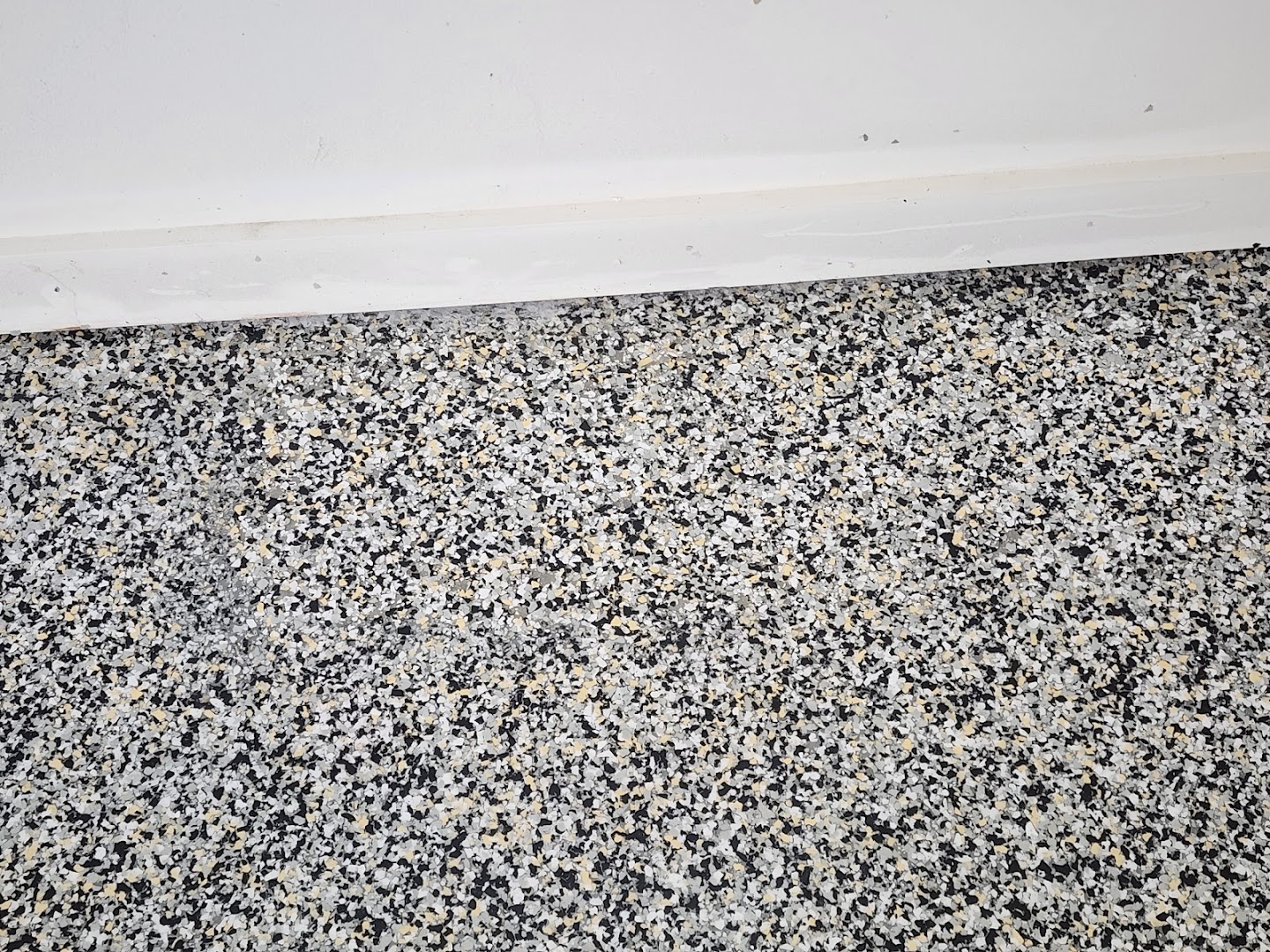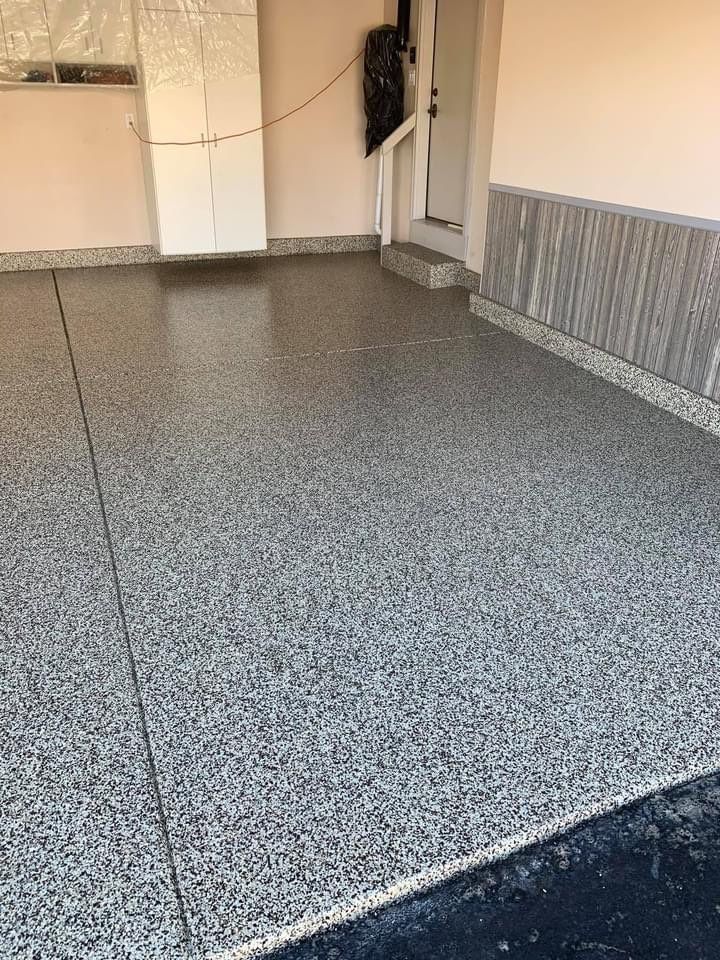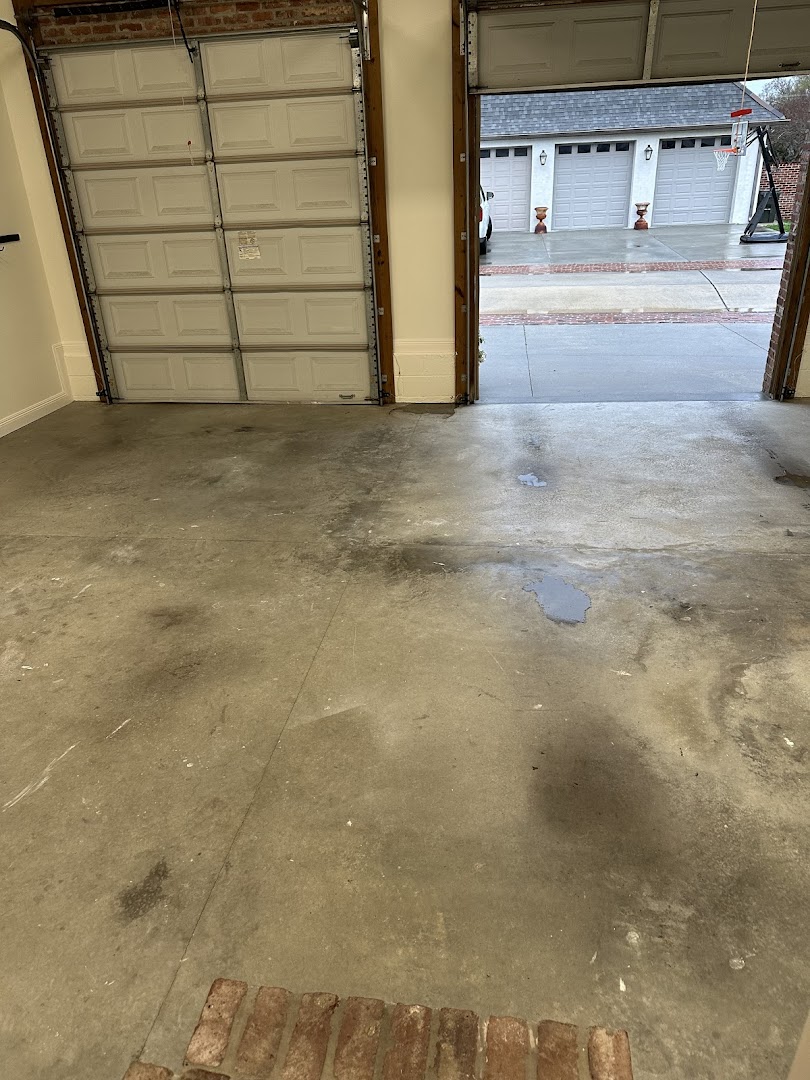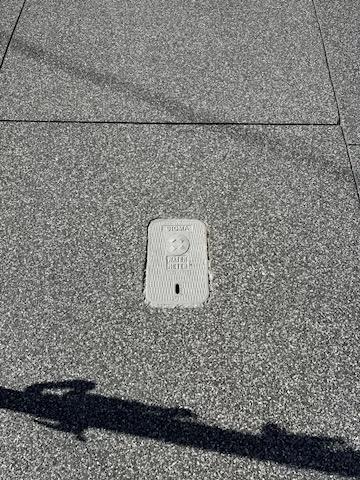
Embarking on a concrete coating project for your garage, basement, patio, or pool deck is an exciting step towards enhancing your property's aesthetics and durability. However, the success and longevity of any coating hinge significantly on what happens before concrete coating is even applied. Many homeowners overlook the critical preparatory steps, leading to potential issues down the line.
This comprehensive Q&A post is designed to equip you with the knowledge you need to ensure your concrete coating project starts on the right foot. We'll explore the vital questions surrounding preparation, timing, and foundational considerations, transforming your approach from guesswork to informed decision-making. Let's delve into the crucial steps that guarantee a stunning and resilient finish.
How to prep concrete for coating?
Proper preparation is the cornerstone of a successful concrete coating application. Without it, even the highest quality coating won't adhere correctly or last as long as it should. The process typically involves several key stages:
- Cleaning: First, the concrete surface must be thoroughly cleaned. This means removing all dirt, grease, oil, paint, sealers, and any other contaminants. For heavily soiled areas, a degreaser followed by a pressure wash is often necessary. Residual chemicals or oils can prevent the coating from bonding properly.
- Repair: Inspect the concrete for any cracks, spalls, or uneven areas. These imperfections need to be repaired using appropriate concrete patching compounds. Allow these repairs to cure fully according to the manufacturer's instructions before proceeding.
- Profiling: This is perhaps the most critical step. Concrete profiling creates a textured surface that allows the coating to 'grip' the concrete, ensuring maximum adhesion. Common methods include acid etching or mechanical grinding. Acid etching uses an acidic solution to lightly dissolve the top layer of concrete, creating a porous surface. Mechanical grinding, using specialized equipment, is often preferred by professionals as it provides a more consistent and aggressive profile, removing weak surface layers and opening up the pores for superior bond strength. The goal is a surface profile similar to 80-120 grit sandpaper.
- Drying: After cleaning and profiling, the concrete must be completely dry. Any trapped moisture can lead to bubbling, delamination, or other coating failures. Moisture testing is crucial, especially in basements or areas prone to moisture vapor transmission.
While DIY kits exist, achieving the ideal preparation often requires specialized equipment and expertise. Many homeowners find that entrusting this crucial phase to professionals, like those at Ninja Coatings, ensures a meticulously prepared surface, setting the stage for a durable and beautiful finish.
How long to wait before coating concrete?
The waiting period before applying a concrete coating depends primarily on whether you're dealing with new concrete or existing concrete, and the specific conditions of the slab.
- For New Concrete: Freshly poured concrete needs a significant amount of time to cure and dry. The general rule of thumb is to wait a minimum of 28 days before applying any coating. This 28-day period allows the concrete to achieve most of its compressive strength and release a substantial amount of its internal moisture. Rushing this process can lead to moisture entrapment, which can cause blistering, delamination, and other failures in the coating as the moisture tries to escape. In some cases, especially in humid climates or with thicker slabs, a longer waiting period might be advisable.
- For Existing Concrete (after cleaning/repairs): If you're coating existing concrete that has just undergone cleaning, pressure washing, or repairs, the waiting time is primarily about ensuring the surface is completely dry. This can range from 24 to 72 hours, or even longer, depending on humidity, temperature, and ventilation. It's not enough for the surface to *look* dry; moisture can still be present within the concrete pores. Professionals often use moisture meters or calcium chloride tests to accurately assess the slab's dryness and ensure it meets the coating manufacturer's specifications.
Never underestimate the importance of allowing adequate drying time. Patience here is paramount to the success and longevity of your concrete coating, preventing costly re-dos and ensuring a robust bond between the coating and the slab.
Should I seal concrete before epoxy?
This is a common question, and the answer is generally no – you typically should not apply a standard concrete sealer before an epoxy coating. The terms 'sealer' and 'primer' are often confused, but they serve different purposes in the context of concrete coatings.
- Concrete Sealers: These are usually designed to penetrate the concrete and create a protective barrier against moisture, stains, and abrasion. They can be topical (forming a film on the surface) or penetrating (reacting within the concrete). While beneficial for protecting bare concrete, most sealers are not formulated to be a bonding layer for epoxy. In fact, a sealer can create a barrier that prevents the epoxy from properly adhering to the concrete, leading to delamination.
- Epoxy Primers: For most high-quality epoxy systems, a dedicated epoxy primer is recommended or even required. A primer is specifically engineered to penetrate the prepared concrete surface, achieve maximum adhesion, and create a strong bond for the subsequent epoxy base coat. Primers also help to seal off minor porosity, reduce outgassing (which can cause bubbles), and provide a uniform surface for the topcoats. Some advanced epoxy systems are 'self-priming,' meaning their first coat acts as both a primer and a base coat, but this is specific to the product.
Therefore, instead of a general concrete sealer, focus on proper surface preparation (cleaning, repairing, profiling) and then apply the specific primer recommended by the epoxy coating manufacturer. This ensures optimal adhesion and performance for your epoxy floor system, delivering the durable and attractive finish you expect from a professional application.
What do you put in before concrete?
This question typically refers to the materials and preparation that go underneath a new concrete slab before it is poured, rather than what goes on top of existing concrete before coating. The foundation beneath a concrete slab is crucial for its stability, drainage, and long-term performance.
- Sub-grade Preparation: The very first step is preparing the native soil, known as the sub-grade. This involves clearing vegetation, leveling the area, and compacting the soil to create a stable, uniform base. Proper compaction prevents settling and cracking of the concrete slab later on.
- Sub-base Material: On top of the prepared sub-grade, a layer of granular material, such as gravel or crushed stone, is usually laid down. This is called the sub-base. The sub-base serves several vital functions: it provides additional support, helps distribute the load evenly, and most importantly, acts as a drainage layer to prevent moisture from wicking up into the concrete slab. The thickness of the sub-base can vary depending on the application (e.g., driveway vs. patio) and local soil conditions.
- Vapor Barrier/Retarder: For interior slabs like basement floors or garage floors, a vapor barrier (a thick plastic sheeting) is often placed on top of the sub-base, directly under where the concrete will be poured. This barrier prevents moisture vapor from rising through the concrete slab, which is critical for preventing issues with flooring adhesives, carpets, and especially concrete coatings down the line.
- Reinforcement: Before the concrete is poured, steel reinforcement (rebar or welded wire mesh) is typically laid within the formwork. This reinforcement significantly increases the concrete's tensile strength, helping to control cracking and improve its overall durability.
Understanding these foundational elements is key to appreciating why a new concrete slab needs adequate time to cure and dry before any coating is applied, as moisture management begins long before the concrete coating process even starts.
Understanding the intricacies of what happens before concrete coating is applied is the first step toward a successful and long-lasting result. From meticulous preparation to proper timing, every detail matters. Don't leave the durability and beauty of your concrete surfaces to chance.
If you're ready to transform your garage, basement, patio, or pool deck with a professional-grade coating, let the experts at Ninja Coatings guide you. We handle all the essential preparation to ensure your coating stands the test of time. Contact us today for a free quote and discover the Ninja Coatings difference!